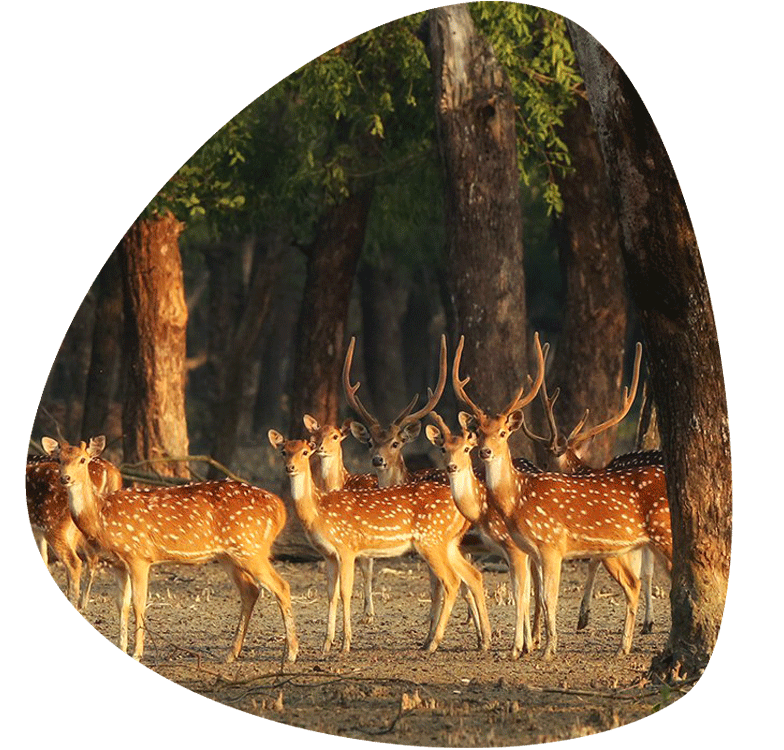
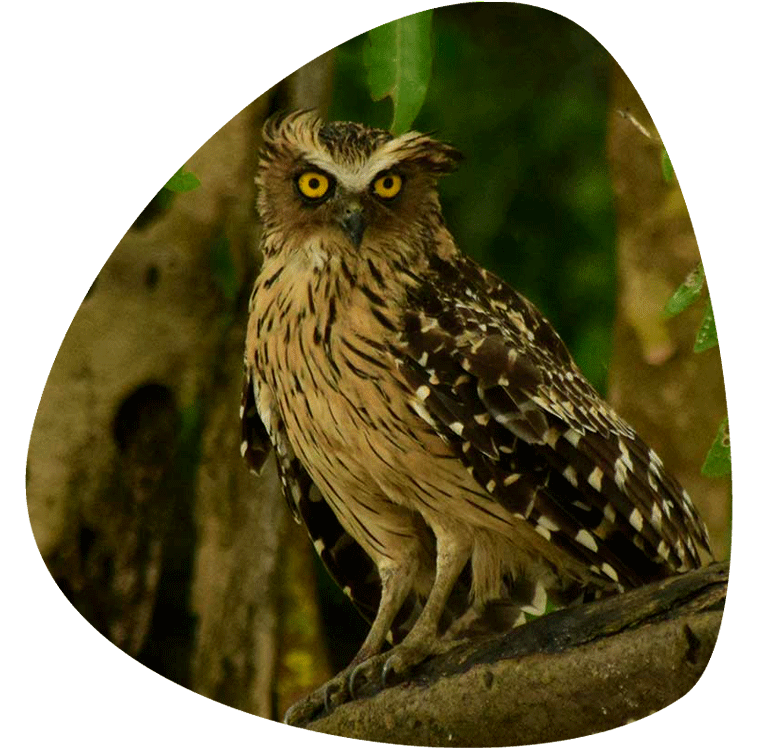
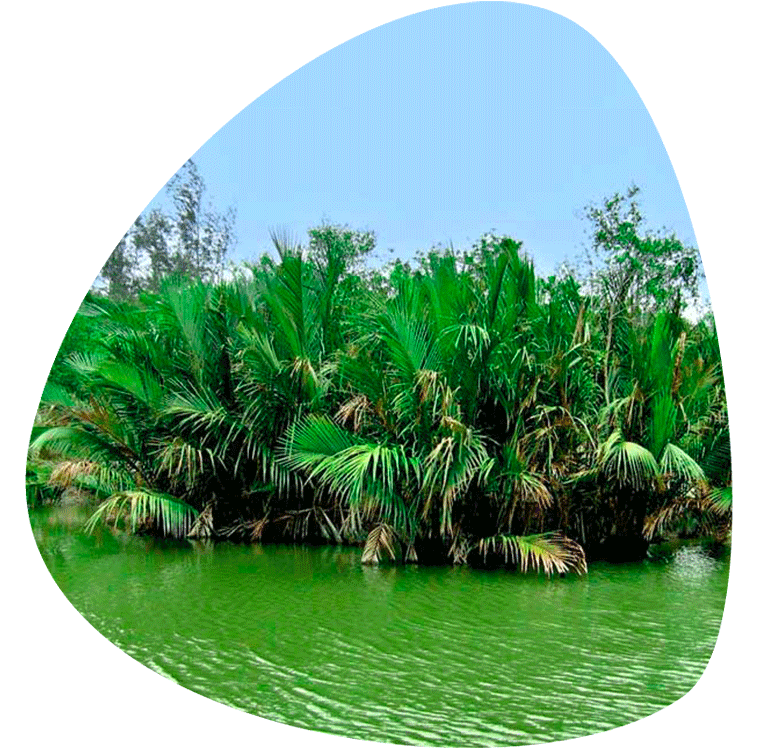
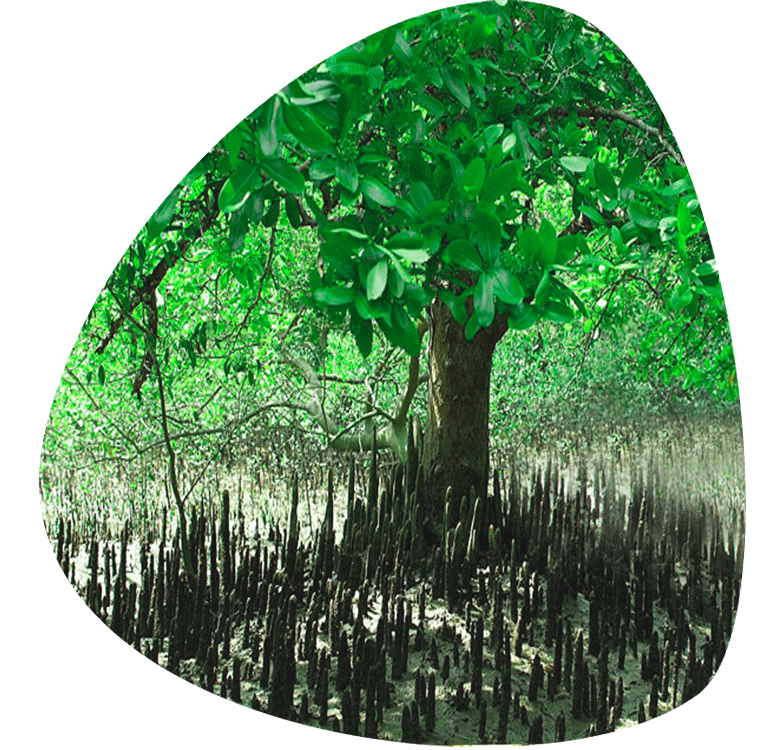
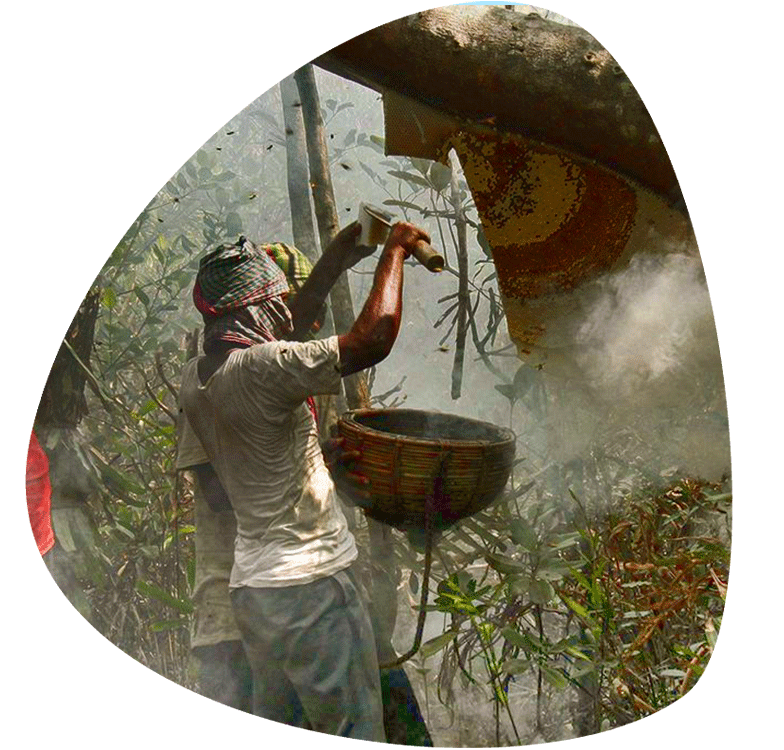
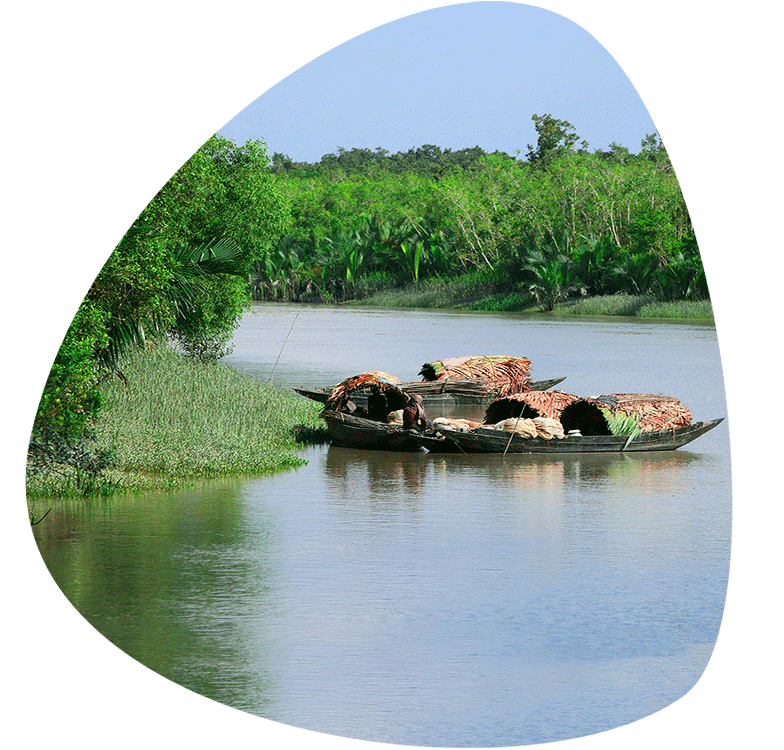
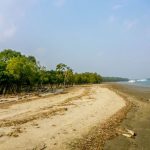
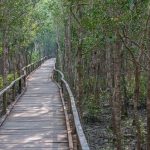
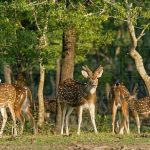
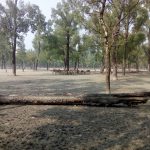
World largest mangrove forest Sundarban is the biggest mangrove forest in the world. Sundarban is in South West part of Bangladesh, in the district of greater Khulna. India shares a bit of the forest with Bangladesh. The total area is about 38,000 square kilo meters. Sundarban is a large block of littoral forests. The beauty lies in its unique natural surrounding. The Sundarbans are a part of the world’s largest delta formed by the rivers Ganges,Brahmaputra and Meghna. Thousands of meandering streams, creeks, rivers and estuaries have enhanced its charm. For miles and miles, the lofty treetops form an unbroken canopy, while nearer the ground, works of high and ebb-tide marked on the soil and tree trunks and the many varieties of the natural mangrove forest have much to offer to an inquisitive visitor. Sundarban is the natural habitat of the world’s famous Royal Bengal Tiger, spotted deer, crocodiles, jungle fowl, wild boar, lizards and many more. Migratory flock ofSiberian ducks flying over thousands of sail boats loaded with timber, Golpata, fuel wood, honey, shell and fish further add to the serene natural beauty of the Sundarban. The Sundarban Reserved Forest (SRF), occupying an area of around 6,017 square kilometres or 600,000 hectares, represents 51 percent of the total reserved forest area of Bangladesh and as such forms a rich and diverse ecosystem with potential for sustainable natural resource management. Man has exploited the Sundarban for centuries but the forest was not given Reserve status by the Forestry Department until 1875. managed the forest and other natural resources of the SRF through adherence to management plans which it prepares at regular intervals. Early management simply concentrated on revenue collection and the enforcement of felling rules to reduce overcutting, particularly in the eastern portion. The first real professional forest management planning was introduced in the SRF in the early 1900s with the introduction of the Curtis Working Plan. However, more recently forest resource management has shifted to increase emphasis upon environmental and socio-economic issues. The following table presents the fractions represented by forest and other land types in the Sundarban.